The Algebra Group

Top 5 Accounting Challenges SMEs Will Face in 2026

Accounting

Accounting is one of the most common challenges in any operating business, specifically for SMEs. Cash flow management, evolving standards, and staying tax compliant are some of the unnecessary stresses that increase with a rise in business. The right techniques and frameworks together mitigate such difficulties through the implementation of technological solutions and tailored SME accounting solution software. In this article, we provide a practical, accountable solution that helps you overcome the accounting challenges and evolving issues that will reshape the business world in 2026.

Managing Cash Flow: The Biggest Accounting Challenge for SMEs in 2026

For any efficiently running business, cash is the main source of fuel that keeps the business alive and successful; if cash flow is not balanced, then this is one of the main reasons behind business failure.

Balancing such accounting challenges for small businesses in 2026, it is essential to monitor the amount of money that comes into the business; it should have more than it runs out of.

We provide you with some of the strategies for managing cash flow very carefully and on a continuous basis to overcome the common accounting challenges SMEs face while improving the cash position for future success.

1. Forecast Cash Flow

Forecasting cash flow is one of the effective strategies for successful cash flow management. Here, the business directors analyze the historical business performance. By using the results of such research, they forecast their income and expenditure for a particular set of periods and store the data in certain accounting software or an Excel spreadsheet for future use.

Simply, the forecast will help you overcome the small business accounting challenges. Additionally, it supports making informed decisions while acknowledging the amount of cash engaged in business at any particular time.

2. Monitor Cash Flow Constantly

It is essential to keep a record of cash flow on a regular basis to determine the behavior of cash flow, trends, and any other potential issues that the company might overlook.

Therefore, it is crucial to keep a specified time for reviewing your cash flow reports, and if any issue is detected, immediately report it. This practice should be followed to overcome SME accounting challenges to avoid any type of financial loss in the future.

3. Reduce Accounts Receivable

The proper management of accounts receivable is important for maintaining a healthy cash flow within the company. So even though you maintain a good relationship with your clients, never take a passive approach to receiving payments from them.

Speed up your billing process by issuing simple and accurate invoices instantly. Try to request advance deposits for bigger payments. Always clarify your business payment terms and conditions at the beginning of building a relationship with new clients.

You could also motivate your clients with some offers for early settlements, such as discounts or exclusive product or service benefits, and vice versa for late payments.

Read More:Management Accounting: Meaning, Key Pillars & Types

4. Improve Stock Level

Always try to maintain a proper balance between customer demand and stock level, as it is key to building a strong relationship with your clients. To do this, conduct stock analysis periodically to identify inactive or outdated items.

Ensure timely stock management, reduce stock holdings, and build strong supplier relationships to maximize stock levels and release cash.

5. Discuss Fortunate Supplier Conditions

Establish a strong business relationship with your client that allows you to negotiate beneficial settlement terms whenever required; this helps generate positive cash flow.

Also, by doing so, you are entitled to request extended payment periods or ask for discounts on early payments. It is more important than just selecting the lowest-priced supplier.

6. Planning for Growth

Before investing in any type of business growth, such as opening an office in a new location or hiring new staff, it is necessary to evaluate the financial effects of such an investment. To investigate this, you have to ensure that the company deposits have enough cash holdings; at this point, the cash flow forecasting comes into existence.

For creating more accurate, detailed cash flow projections, include higher sales, additional expenses, expected delays in customer payments, and the impact of these on overall cash flow. This approach helps in making smarter growth decisions.

Read More:Top 10 Benefits of Outsourcing Finance & Accounting Services

7. Manage Operating Expenses

Frequently evaluate the operating expenses to determine the possibilities to reduce the expenses without losing the quality.  This may require revising the agreements, asking for competitive offers, and utilizing technologies that speed up the processes and minimize overhead.

Always take time to check any type of ongoing subscriptions that may result in high losses due to auto-renewal. This is the right time to evaluate the outcome of extra spending on investment, such as marketing, business growth, and entertainment within your organization.

8. Keep Separate Business and Personal Finances

Maintain separate bank accounts and financial records for business finances and personal finances to avoid mistakes and getting mixed up. This will help you track your business expenses and cash flow efficiently.

Additionally, it helps in preventing your personal expenses from harming the company’s financial health and keeps HM Revenue and Customs impressed.

9. Maintain a Cash Reserve

A cash reserve is referred to as a financial safety cover, especially during times of difficulty. Sometimes it may include some shortcomings, such as paying yourself a little less, but it acts as a safety shield against unexpected business expenses and market recessions.

Make a routine habit of keeping aside a part of your company’s earnings as savings, and also think about automated savings. Once this cash reserve is established, make sure that it is deposited into accounts that provide the right balance between consumption and earnings.

Read More:Payroll Outsourcing Services for Small & Growing Businesses

10. Study on Financing Options

During times of growth or unexpected cash shortages, you might be interested in considering financing options to increase your working capital, which may include loan programs or lines of credit. Be sure to carefully evaluate the interest rates, repayment options, and collateral demands before arriving at any final decision.

Additionally, you can check the features of your business bank account, as some of the features are especially designed to address the short-term issues.

Ensuring Accurate Bookkeeping to Avoid Costly Financial Errors –

SME businesses outsource bookkeeping services to leverage the benefit of accessing specialized expertise and techniques that help in maintaining precise bookkeeping throughout every purchase or sale.

Outsourced booking services involve audit support, oversight, and an efficient approach to maintain financial records while avoiding costly financial errors.

• Expert Supervision and Skills: Expert outsourced bookkeeping service providers employ experienced accountants who adhere to ethical guidelines within every document, grouping, and reconciling transaction. They ensure accurate booking by executing company controls, auditing entries, and highlighting inconsistencies.

• Apply Modern Booking Tools: Implementation of advanced tools and software automates routine tasks while ensuring data accuracy and boosting accurate bookkeeping practices.

Advanced tools synchronize bank data, invoices, and receipts by effortlessly comparing transactions and reconciling accounts, thereby reducing human mistakes.

It ensures that the system permission is granted only to authorized personnel who can access the information and make alterations.

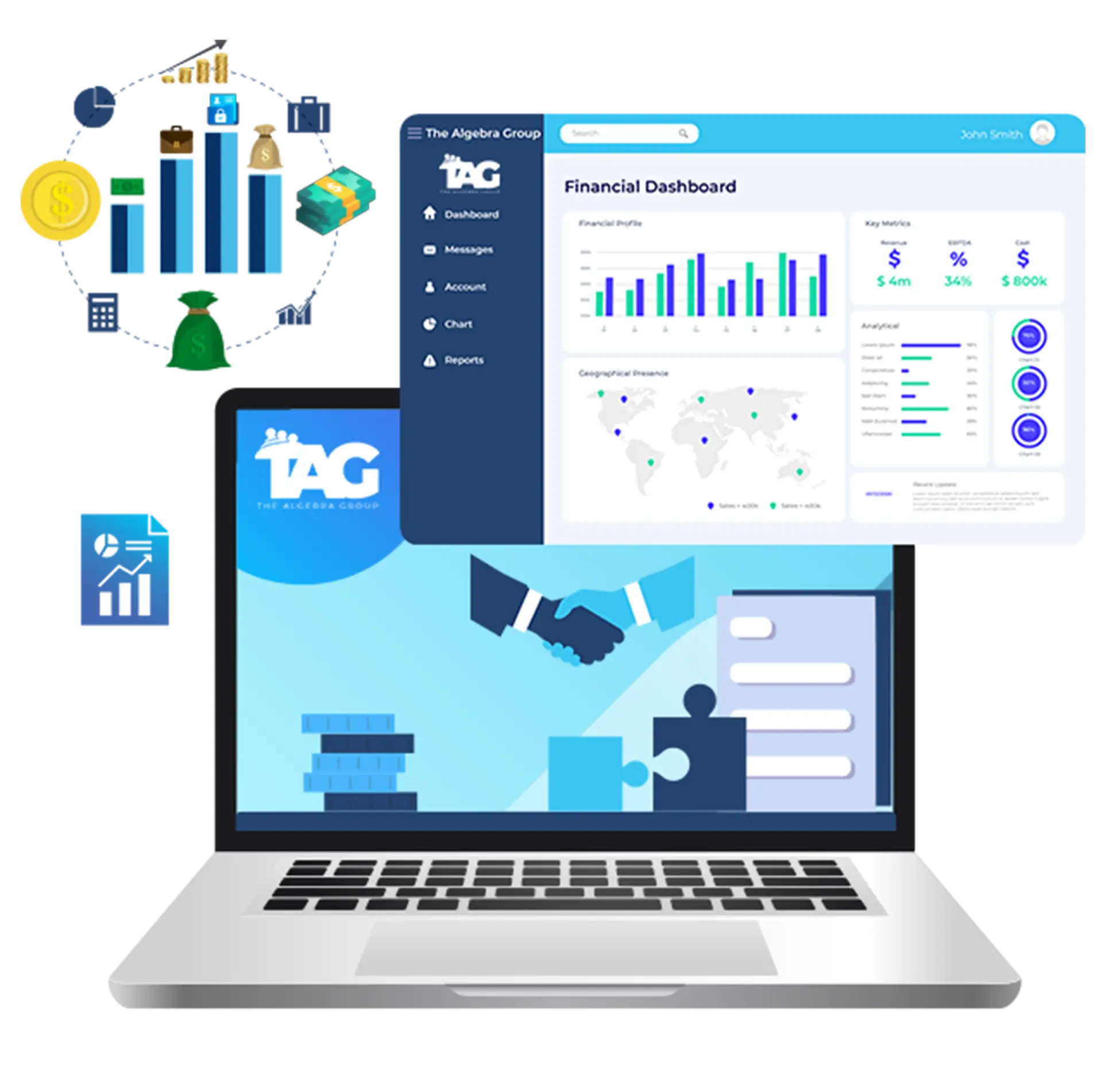
Real-time dashboards that collect information from updated entries represent key metrics like cash flow, liabilities, and accounts receivable at a glance.

Integration of payroll, expense, and CRM systems avoids redundant entries and misclassifications.

Read More:Outsourced Bookkeeping Services Firms in India

• Flexible Strategies for Growing Companies: Outsourced bookkeeping services providers evolve as per the demand of your business while helping with sustainable growth.

Growing SMEs benefit from outsourced booking service providers through their flexible packages by increasing or decreasing the bookkeeping capacity according to the business size and transaction volume.

They supply proven techniques that manage additional data, reconcile multiple accounts in large quantities, and process lots of invoices at a time.

• Audit Prepared Documentation and Security Support: Professional outsourced bookkeeping service providers and their modern tools help businesses in preparing audit-ready documentation.

They set up standardized filing procedures, preserve invoices and acknowledgments, and keep the internal records of every transaction. Businesses that implement such practices mitigate risk through tax and external audit procedures and also protect businesses from types of penalties.

Navigating Complex Tax Regulations and Compliance Requirements –

Here we, The Algebra Group, guide you in navigating complex tax regulations and compliance requirements with strategic clarity.

Key Insights:

• Businesses operating internationally face challenges as they expand their reach across countries

• We, “The Algebra Group,” help our clients with documentation, tax analysis, and compliance

• Being updated about the international tax standards boosts business growth

• Technology plays an important role in automating the tax compliance procedures

As soon as the business enters the new market, it faces some difficulties complying with international tax rules. Such rules change across every border of the country and are complicated. Therefore, it is essential for businesses to stay in compliance with local tax laws, control exchange pricing, and adjust to new digital tax regulations.

Let us understand the various aspects of international tax that every multinational business must understand to meet its tax responsibilities more efficiently.

Read More:Tax Accounting: Meaning, Types, Methods, Importance, and Impact

1. Managing Treasury and Financial Structure

It is important for the Multinational Enterprises (MNEs) to maintain their treasury and financial structures. To fulfill this, the company’s financial strategy must be aligned with the international tax regulations to reduce its liabilities.

Additionally, it requires careful planning of cross-company financing, monetary allocation, and risk management techniques across different countries. We help businesses in crafting effective strategies to fulfill all targets through treasury management while keeping the international tax laws.

Due to increased investigation by tax authorities and frequent market changes, the business implements effective strategies to minimize risks and enhance international effectiveness.

2. Optimization of Business Models and Supply-Chains

It is essential to efficiently navigate business models and supply chains for companies performing their operations globally. When the business expands their business operations to an international level, their operations must comply with the various tax regulations in different countries.

It involves adjusting purchasing methods, shifting key experts, handling intangible assets, and ensuring compliance with the transfer pricing regulations while reducing the risks related to permanent businesses.

Just by focusing on the mentioned subjects, companies can match their operation with the international tax regulations more effectively while reducing future tax liabilities. We help you to optimize your business strategies and boost overall efficiency through our expert operating team.

With the expanding global tax scenarios, businesses need a productive corporate framework and legally binding standards. We help you to comply with regulatory standards, thereby reducing international tax liabilities in various countries.

3. International Tax Operations

It is essential to maintain transparency in cross-border transactions due to changing international tax standards and regulatory structures. Such types of shifts result in documentation of duties by the clients, specifically in areas such as transfer pricing, country-specific reporting, and regulated foreign company legislation.

Our team is efficient and well-equipped to help businesses operating in India with compliance standards for Indian operations and cross-border operations. We assess specific tax regulations and then ensure that our clients remain lawful, thereby addressing their international tax regulation risks.

Read More:What is Corporate Finance: Meaning, Types, and Examples

4. Exchange Pricing and Operating Model Effectiveness

Due to rising regulatory scrutiny and continuously changing international tax standards, transfer pricing has become a crucial part of international tax compliance. We offer a complete array of transfer pricing services, starting from tactical advisory to documentation and dispute settlement.

We offer proper assistance to our clients in developing and implementing transfer pricing strategies that comply with Indian regulations. We also help in strategy development, the decision-making process, and governance to avoid the year-end modifications. In short, we support our clients in managing international tax complexities more effectively.

Operating Within a Tight Budget While Managing Accounting Costs –

Companies performing their accounting functions on their own have to struggle to run their operations under a fixed budget. But outsourcing accounting services provides some major benefits to address such financial challenges for SMEs without increasing overhead costs. Let’s understand why businesses should go for outsourcing other accounting services.

1. Cost Saving

• Recruiting expert employees to work in-house is more expensive, as it includes employee benefits, allowances for overtime, training, and payroll expenses. Also, experienced professionals charge more for their services as per demand.

• Hiring an in-house team also involves overhead costs such as materials, stationery supplies, technology, and software expenses.

• Partnering with an outsourced service provider avoids such overhead costs through paying for the services that are being utilized. It offers an opportunity to SME financial management challenges to build a partnership with a third party that best fits their budget and demands.

Read More:What is a Fractional CFO: A Simple Guide for Small Businesses

2. Expertise

• Businesses running their accounting operations on their own implement various tools to perform their functions; instead, they need expert assistance to oversee the tedious tasks.

• Hiring an expert team to work in-house can be much more expensive, as it includes other factors such as salary raises and other costs.

• Whereas outsourcing offers a one-stop solution to all such challenges, such as payroll, tax filing, and management of accounts payable and receivable.

• These experts have experience working in various dimensions of accounting and finance across different industries.

3. Scalability and Flexibility

• When a company grows and expands, the team size of each department also grows. The accounting managers have to make a large number of accounts payable and receivable that they have never managed before.

• It is a big financial challenge for the SMEs growing fast; they have no other choice but to hire more employees to overcome such situations.

• On the contrary, if you hire an outsourced accounting partner, these types of challenges won’t be big issues, as they employ more accountants based on the demand.

4. Removes the Pressure of Your Business

• The year-end is a stressful time for businesses because it is the time when companies balance their account records. It is a tedious process of collecting records, documenting them, and organizing them in place.

• Additional stressful times are audits and taxation, when employees go into a panic mode.

• Outsourcing an accounting partner removes small business accounting challenges, as they have techniques to address them like experienced professionals.

Read More:What is Merger and Acquisition: M&A Meaning, Definition, and Examples

5. Reduces Risks of Fraud

• Internal frauds are natural when you employ an in-house accounting department.

• Partnering with a third-party accounting company lowers the risk of data theft and the chances of any security violation. They have strong encrypted systems to secure the data.

• Even though outsourcing accounting agencies have complete access to your financial system, revenue, loan statements, liabilities, and assets, they do not interfere to keep their credibility.

Preparing Accounting Systems for Business Growth and Scale –

1. Saves Time and Money by Using AI-Powered Accounting Tools

Implementation of an appropriate tech system helps reduce the time your staff dedicates to day-to-day operations such as classifying expenses, reconciling accounts, and delivering invoices.

Additionally, by outsourcing repetitive tasks, businesses can avoid reliance on a human workforce and offer adequate time to focus on work that AI cannot perform, such as customer support and business development. This results in reduced payroll cost, fewer errors, and higher chances to attract fresh potential customers.

2. Set Up a Strong Foundation With Standardized Processes

SMEs perform repetitive tasks across their clients due to a lack of standardized processes. Effective documentation preserves uniformity and makes it easier to hire and delegate responsibilities more efficiently.

3. Hiring a Support Team and Admin Staff Prior to Reducing Hectic Tasks

The major challenge faced by accounting firms is increased workload. Such issues can be avoided by hiring new staff prior to the start of the tax filing period. This approach offers you ample time to prepare them before the tax season begins and enhances their skills before the crucial time comes.

4. Choose to Specialize in a Niche to Bring in High-Value Clients

Simply by specializing in your niche, you can differentiate your firm through your skills and pull in clients who are interested in your expertise. They will stay with you for a longer time, not because of your cost but because of your skills and knowledge.

5. Add Flexible Services

The more services you streamline, the more sustainable growth your firm will achieve. The various accounting packages include services such as reconciliation, statement reporting, and payroll, where you will need very little human involvement. The only thing you need to do is get prepared for the AI tools and advanced software that will perform your work effortlessly and more smartly.

Some of the other methods of preparing an accounting system for better growth and scale are:

• Streamline client introductions and interactions

• Set up a promotional platform that attracts suitable clients

• Develop your presence through collaboration

• Use AI to increase efficiency without recruitment

• Measure key metrics like employee revenue and client turnover

Read More:RPA Full Form: Robotic Process Automation That Every Business Should Know

Conclusion –

Various accounting challenges evolving in 2026 may create unexpected risks or, on the other hand, exceptional opportunities. These challenges may be inaccurate bookkeeping, delayed statements, and complicated computation of taxes that may hamper your business development and growth. SMEs and big organizations investing their time and money in the right financial planning, setting up scalable systems, automation, and raising awareness about cybersecurity will flourish. We, The Algebra Group, provide personalized support through our advanced technology to our clients to remain efficient and compliant by achieving success in the long run, reducing traditional accounting challenges.

Frequently Asked Questions (FAQs) –

1. What are the most significant accounting challenges that an owner of an SME may experience?

The most significant accounting challenges that SMEs may face are insufficient financial resources, difficulty in financial management, upholding profitability, bringing in new clients, a shortfall in skilled staff, and the implementation of modern technology and its integration.

2. What are the main 5 accounting components?

The five main accounting components are assets, liabilities, equity, expenses, and revenue. It is essential to understand how these components affect the accounts and to decide where to set up your separate account.

3. What are the major current accounting challenges faced by the finance team of the company?

The major current accounting challenges faced by the finance team are

  • Auditing and security availability
  • Traditional laborious process
  • The data quality and integration challenges
  •  Skill management and employee turnover
  • Dealing with IT and digital transformation

4. Why does the accounting department perform SWOT analysis?

The accounting department performs SWOT (strengths, weaknesses, opportunities, threats) analysis to assess the internal and external aspects that impact the accounting operations of a business organization.

5. What are the major specializations of accounting?

The major specializations in accounting are financial accounting, managerial accounting, tax accounting, and administrative accounting.

Share Our Post:

Contact Us

Book A Free TaaS Session